On May 14, community members gathered in downtown Memphis for an evening centered on the idea that food is too valuable to waste.
Hosted by Project Green Fork (PGF), Love Food Hate Waste brought together local growers, businesses, nonprofits, sustainability advocates, and community members for a fun, interactive conversation about how Memphis can build a stronger, more connected food system.
Held at the recently PGF-certified Wiseacre Brewing Co., the free, family-friendly event welcomed 141 attendees – nearly triple the attendance of previous Love Food Hate Waste events – and highlighted the many ways Memphis organizations are already working to keep good food in circulation and out of landfills.
The evening kicked off with food waste trivia hosted by Project Green Fork, where attendees tested their knowledge, learned surprising facts about food systems and landfill waste, and picked up practical tips for reducing food waste at home, all while competing for prizes from PGF-certified businesses.
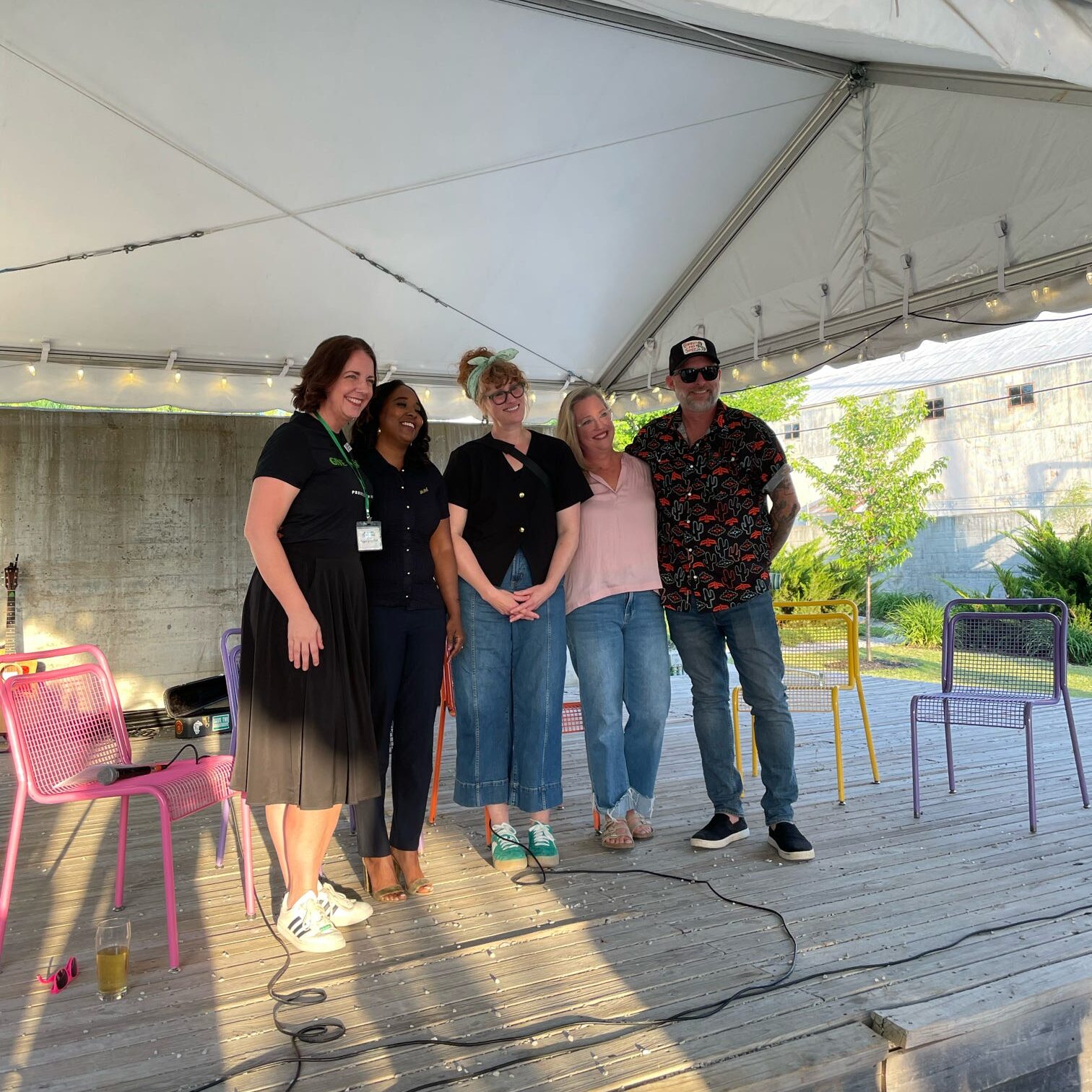
A panel discussion followed, exploring how different sectors of Memphis’ food system work together to decrease waste and increase food access.
Moderated by Leann Edwards, director of Project Green Fork, the conversation featured voices from across the Memphis food ecosystem:
- Mike Larrivee, founder and co-owner, The Compost Fairy
- Derravia Rich, co-founder, Black Seeds Urban Farms
- Andrea Fortwendel, general manager, Muddy’s Bake Shop
- Stephanie Rollen, Team Leath, housed at First United Methodist Church and a PGF food rescue partner
Together, panelists discussed everything from food waste education and composting to food insecurity, local growing, and the importance of building stronger relationships across the food system.
The conversation reinforced a key takeaway: Memphis already has many of the resources it needs. The opportunity lies in keeping those resources in circulation and strengthening the connections between people and organizations. Whether that means growing food locally, rescuing surplus meals, composting scraps, or supporting food businesses committed to sustainability, everyone has a role to play in strengthening the system.
One of the biggest takeaways from the evening was that reducing food waste starts with participation. Panelists emphasized that supporting local growers and food businesses, choosing to dine at PGF-certified establishments, and spreading awareness about food rescue and sustainability efforts are all simple ways residents can help strengthen Memphis’ food system and keep valuable resources in circulation.
These actions may seem small on their own, but together they build a community that values food, supports neighbors, and wastes less.
Guests also enjoyed a culinary demonstration transforming overripe bananas into a delicious banana “nice cream,” proving that minimizing waste can be creative, approachable, and delicious.
Throughout the evening, live music from Jeff Hulett and Jacob Church helped create a welcoming atmosphere where people could gather, connect, and exchange ideas.
Attendees also had the opportunity to connect with community partners working across the sustainability spectrum, including Greenleaf Learning Farm, Protect Our Aquifer, Boshi Botanicals, and the Clean Memphis education team.
A major focus of the event was ensuring that the gathering itself reflected the values being discussed. Thanks to Wiseacre’s commitment to using reusable dishes, glassware, and utensils, along with support from The Compost Fairy and Get Green Recycleworks, the event achieved more than 90% waste diversion. In fact, so little material was sent to landfill that the trash bags at the zero-waste stations could be reused afterward—a powerful reminder that thoughtful planning and strong partnerships can dramatically reduce waste at community events.
Events like Love Food Hate Waste are a reminder that reducing food waste is not just an environmental issue. It’s also about community, resilience, and making the most of the resources Memphis already has.
Thank you to everyone who attended, participated, volunteered, tabled, and helped make the event possible. When Memphians come together around shared solutions, nothing good goes to waste.