
Most of us don’t spend much time thinking about what happens to our food after it goes into the trash. Once the plate is cleared or the refrigerator cleaned out, the story seems to end at the garbage bin — but it doesn’t.
Every year, about 1.7 million tons of waste are produced across Memphis and Shelby County. A large portion of that waste is food. In fact, about 38% of the material sent to Memphis-area landfills is food waste. Moreover, food is the second most common material in landfills by tonnage, accounting for more than 21% of waste nationally.
Those numbers matter because food doesn’t simply disappear once it’s thrown away. It becomes part of a much larger story, one that affects our environment, our resources, and our community.
From trash can to landfill
Once food is placed in the trash, it travels through Memphis’ solid waste collection system and is transported to a landfill. Unlike compost piles or natural soil environments where organic material breaks down with oxygen, landfills are designed to pack waste tightly and limit air exposure. This creates anaerobic conditions, meaning food decomposes without oxygen.
When food breaks down this way, it produces methane, a greenhouse gas up to 80 times more potent than carbon dioxide in its first 20 years, trapping heat in the atmosphere and contributing to climate change.
Because of this process, food waste has an environmental impact long after it leaves the kitchen — and the scale adds up quickly. When thousands of tons of discarded food decompose in landfills each year, the resulting emissions become a significant contributor to the region’s environmental footprint.
The hidden waste
Throwing food away also wastes all of the resources that were used to produce it. Every tomato, loaf of bread, or tray of prepared food represents water, energy, farmland, labor, transportation, and time. When that food goes to the landfill, all of those resources are lost.
That’s part of the reason why food waste has become such a major environmental issue — and why reducing it is one of the most effective ways communities can conserve resources and lower emissions.
The other side of the equation
Across restaurants, grocery stores, caterers, schools, and event venues, perfectly good food is prepared every day that ultimately goes uneaten. Much of that food remains safe and nutritious, but without a clear path for redistribution, it often ends up in the trash.
At the same time, many households in Shelby County struggle to consistently access healthy meals. About one in six people in our community experiences food insecurity, meaning reliable access to nutritious food isn’t guaranteed.
This is where the issue of food waste becomes more than an environmental challenge. It becomes a question of how we can use the resources that are already present in our community.
Where food can go instead
Food doesn’t have to end its journey in a landfill. In many cases, there are several steps that can extend its usefulness long before it becomes waste.
At home, small adjustments can make a meaningful difference. Extra ingredients or leftovers can often be frozen for later meals, giving them a second life instead of letting them spoil. Slightly aged produce can be repurposed creatively into soups, sauces, smoothies, or casseroles. Scraps like vegetable peels, coffee grounds, and eggshells can also be composted, returning nutrients back to the soil instead of sending them to the landfill.
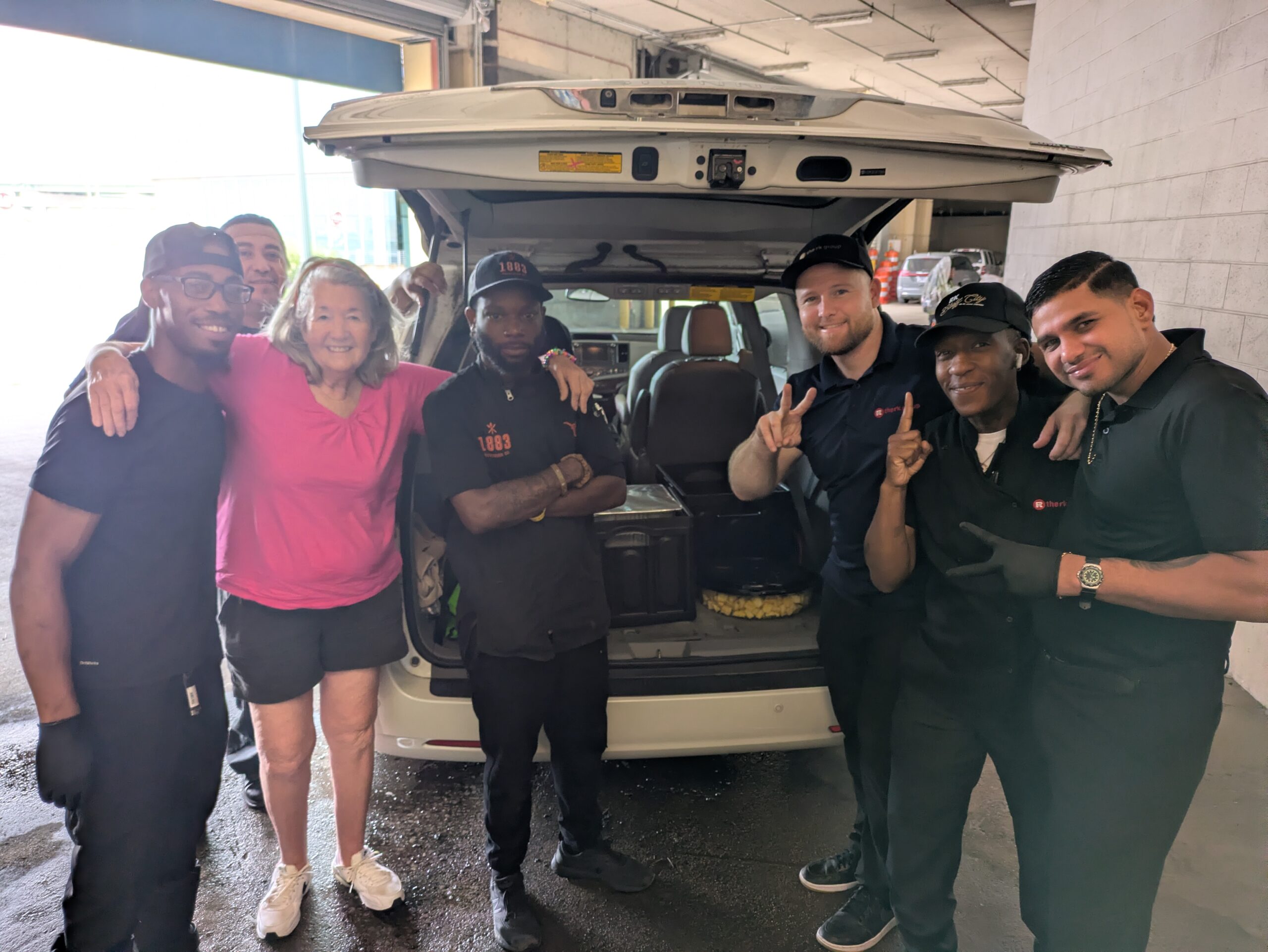
When larger quantities of surplus food are involved, donation becomes an especially powerful solution. Through food rescue programs, surplus food can be redirected to people experiencing food insecurity. Shelters, community kitchens, food pantries, and mutual aid organizations can distribute that food quickly, ensuring it reaches people while it is still fresh. By helping surplus food move where it’s needed most, food rescue keeps valuable resources in circulation and ensures good food continues to serve its highest purpose: feeding people.
Rethinking the path of food
Reducing food waste often starts with small shifts: better planning at home, more efficient kitchen practices, and stronger systems that help surplus food move where it’s needed most.
For businesses, that might mean donating excess prepared food. For households, it might mean being more mindful of how we shop for food and store it, portion it, or share it.
Each decision changes the path food takes after it leaves our kitchens.