
Food is one of the most tangible ways we care for one another. It brings people together around tables, marks celebrations and traditions, and quietly sustains us day after day. And yet, it’s also one of the resources we waste most often, sometimes without even realizing it.
Looking closely at food waste offers an environmental lesson, but beyond that, it reveals something deeper about stewardship, service, and how we show care for the people and places around us.
Stewardship begins with awareness
Stewardship is often framed as a big concept – protecting the planet, conserving resources, planning for the future. But at its core, stewardship starts with paying attention. When we notice what gets scraped into the trash, forgotten in the fridge, or left behind after a gathering, we begin to see how easily abundance turns into waste.
Food waste teaches us that good intentions aren’t always enough. We may shop with optimism, cook with generosity, or host with enthusiasm, but without thoughtful planning and follow-through, even those well-meaning actions can lead to unnecessary loss. Stewardship asks us to slow down, take stock of what we already have, and make decisions rooted in care rather than convenience.
Food reminds us that resources are shared
Every meal carries a hidden story. Long before food reaches our kitchens, it requires land, water, energy, labor, and transportation. When food goes uneaten, all of those resources are wasted, too.
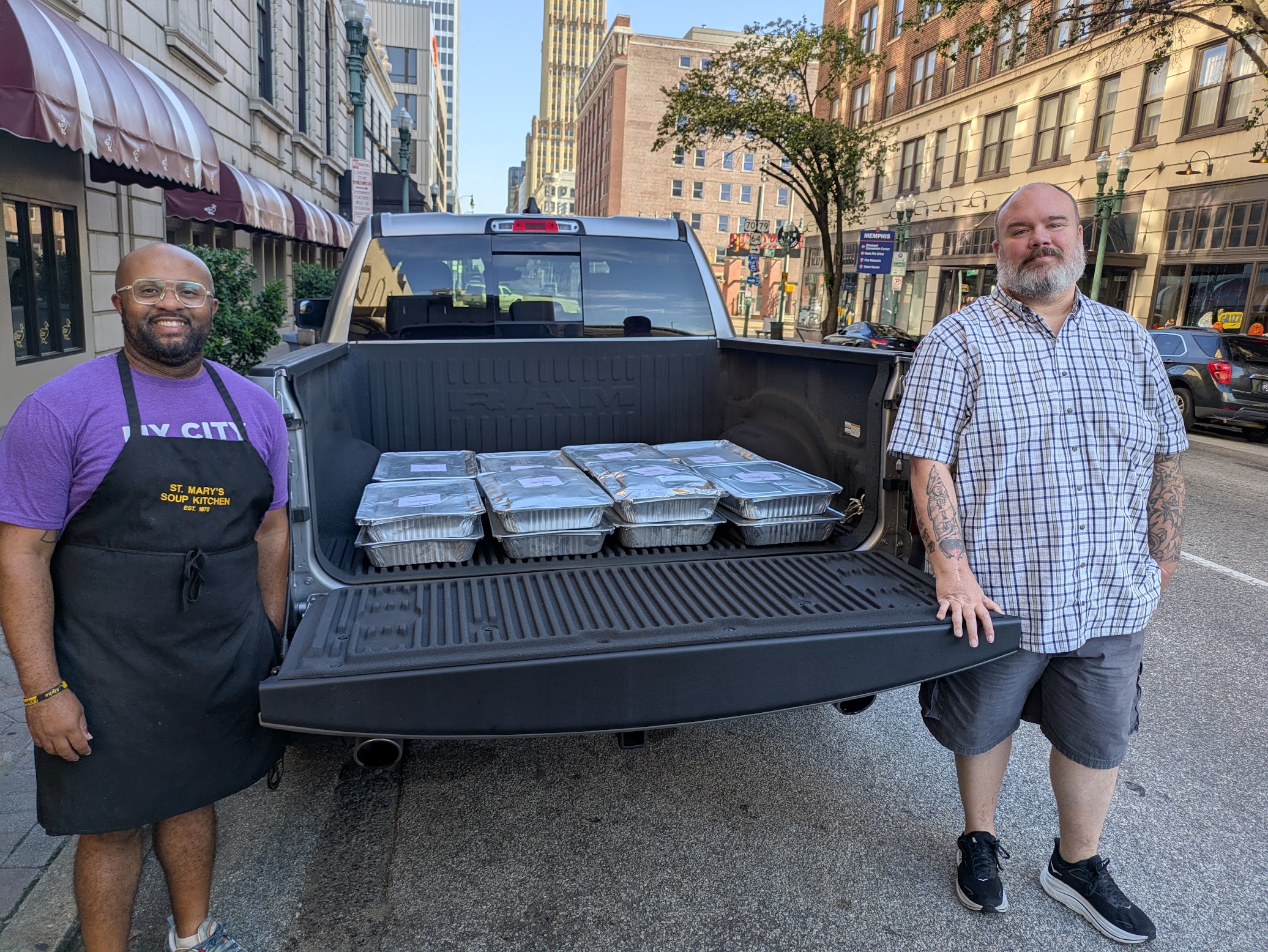
At the same time, food waste exists alongside food insecurity. In many communities, including our own, some neighbors worry about their next meal while perfectly good food is thrown away elsewhere. Food waste highlights a disconnect, but it also points toward an opportunity. When we choose to steward food well, we help close that gap and honor the idea that resources are meant to be shared, not squandered.
Service doesn’t have to be grand
Service is often imagined as a grand gesture: volunteering for hours, organizing a drive, or making a large donation. While those acts matter, food waste shows us that service can be quiet and practical, too.
Packing up extra food instead of tossing it, planning meals with leftovers in mind, sharing surplus food with a neighbor, teaching kids not to take more than they can eat. These small, everyday decisions add up and reflect a mindset that says, “What I have can still be useful to someone else.” In that way, reducing food waste becomes a form of service that is woven into daily life – accessible, ongoing, and rooted in care.
Stewardship builds stronger communities
When people and organizations take responsibility for how food is used, communities become more resilient. Less food in landfills means fewer environmental harms, more food shared means stronger support for those in need, and thoughtful systems for food rescue, donation, and composting help turn excess into opportunity.
Food waste also teaches us how to collaborate. No one person can solve this issue alone. It requires households, businesses, nonprofits, and institutions to work together, communicate clearly, and trust one another. Stewardship, at its best, is collective.
A lesson worth carrying forward
Food waste shows us that stewardship is centered on intention. Service isn’t about scale, it’s about consistency. And when we treat food as something valuable rather than disposable, we practice care in a very real way.
By wasting less and sharing more, we honor the work behind every meal and the people who could benefit from it. In doing so, we’re reminded that stewardship and service often start right where we are – at our tables, in our kitchens, and in the choices we make every day.