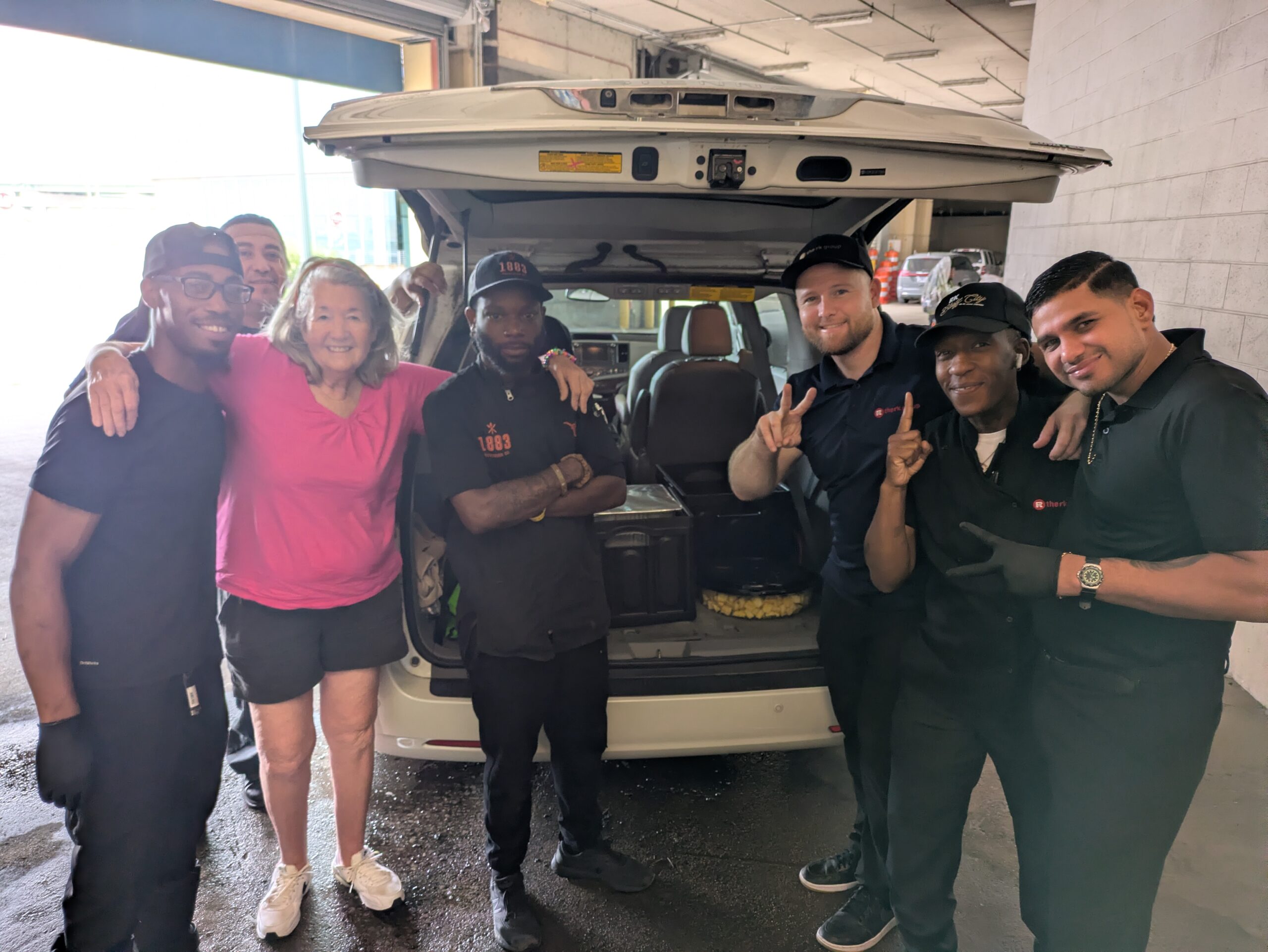
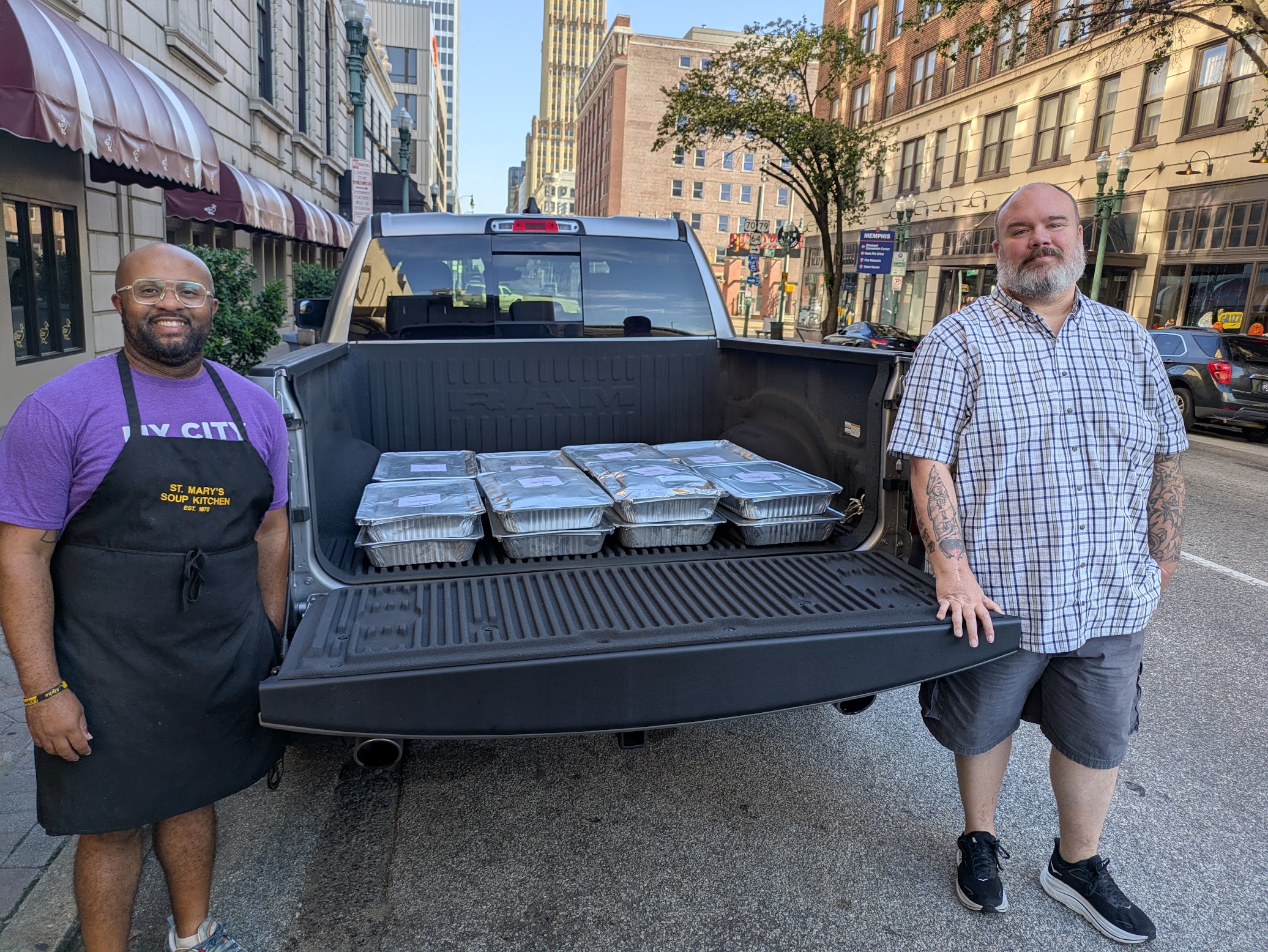
Food rescue often looks simple on the surface: extra food gets picked up and delivered to people who need it. But behind every successful rescue is a web of coordination, timing, and trust that makes generosity possible at scale.
When food rescue works well, it’s not because someone happened to be in the right place at the right time. It’s because systems are in place to move food quickly, safely, and efficiently from kitchens and storerooms to tables across the community.
It starts with timing
Food doesn’t wait. If it’s not canned goods or shelf-stable items, rescued food is often perishable and time-sensitive. A catering tray, prepared meal, or box of produce might be perfectly wholesome, but only for a limited window.
That’s why timing is everything. Food rescue logistics revolve around clear pickup windows, realistic expectations, and quick communication. Knowing when food will be ready, how long it can safely be held, and when volunteers or partner organizations are available helps prevent last-minute scrambles and wasted effort.
Planning ahead, especially for large events or regular surplus, can make the difference between food being rescued or discarded. While we do have more flexibility with shelf-stable foods, we still do our best to plan ahead so that food can get to the right place in a timely manner.
Matching the right food to the right partner
Not all food donations are the same, and not all organizations can accept every type of food. Some partners are equipped to handle prepared meals, others specialize in bulk ingredients, frozen items, or packaged foods. Successful food rescue depends on thoughtful matching.
Coordinators consider quantity, temperature requirements, storage capacity, transportation needs, and how quickly food can be redistributed. The goal is to move food in a way that respects the receiving organization’s capacity and ensures the food will actually be used. When that match is right, everyone wins: donors feel confident, nonprofits aren’t overwhelmed, and food reaches people efficiently.
Documentation matters more than people think
Tracking food donations supports accountability. Knowing what was donated, where it went, and when it was picked up helps improve future rescues, measure impact, and build trust across the network.
Good recordkeeping also supports food safety, transparency, and reporting. For businesses, it can help with internal tracking and tax documentation. For nonprofits, it shows the scale of their impact. Behind the scenes, these details create a clearer picture of how food moves through the system and how to improve the process next time.
Flexibility keeps things moving
No matter how well planned, food rescue rarely goes exactly as expected. Weather changes, event delays, and volunteer fluctuations are all last-minute challenges that are often encountered during food rescue efforts. Dealing with these logistics requires adaptability.
Luckily, successful food rescue teams are problem-solvers. They reroute pickups, split donations among multiple partners, adjust timelines, and communicate quickly when plans change. Flexibility doesn’t have to mean chaos; it’s centered on being prepared to pivot while keeping food safety and respect for partners front of mind.
Making generosity easier for everyone
When logistics are handled well, generosity becomes approachable. Donors don’t need to figure everything out on their own, volunteers know where to go, and receiving organizations can rely on consistent processes. Food rescue stops feeling risky or complicated and starts feeling doable. That’s the quiet power of logistics – it removes barriers so that good intentions can turn into real impact.
Want to partner with Project Green Fork? Learn more about how to get involved in our food donation and rescue efforts.